
Loading…
Loading…
Online or on campus

Biomedical Science is a programme of Cambridgeon University. Teaching is offered online and on campus. Students follow a subject syllabus and leave with a file another person can review. The award is academic and does not confer a licence to practise.
Study online
Online tuition is free. Online examinations are free. There is no exam fee for online study.
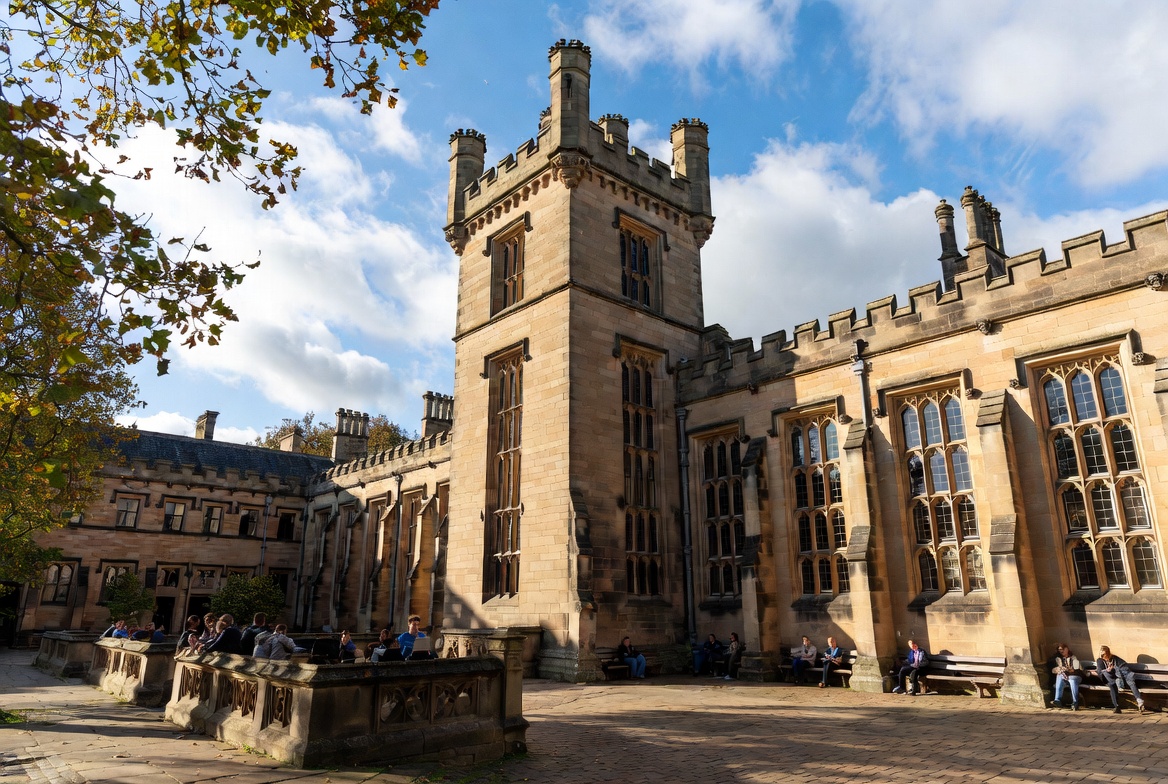
On-campus study
Prefer to learn at our Cambridge campus? Campus tuition and campus examinations are charged. The published campus price is on each programme page.
| Code | Course | Credits · hours |
|---|---|---|
| np26-bsc-biomedical-science-c1 | Requirements and the binding constraint Requirements and the binding constraint is a course on Biomedical Science at Cambridgeon University. The course is about State the job in the user's words, then in measurable words, and then about the work that follows from that. Students move through four units: The need; The constraint; The requirement you drop; The test of done. The need: State the job in the user's words, then in measurable words. The constraint: Name the limit that binds: load, heat, cost, site, or rule. The requirement you drop: Cut one wish that the constraint will not allow. The test of done: Write how a reviewer knows the need is met. The assessed work is a requirements note with one constraint that governs the rest. Markers look for a question the file can answer, a source a second reader can find, a separation of fact and judgement, and a limit written in the open. The award is academic. It does not confer a licence to practise, and it does not add an accreditation or an endorsement.
| 15 |
| np26-bsc-biomedical-science-c2 | Loads, materials, and failure Loads, materials, and failure is a course on Biomedical Science at Cambridgeon University. The course is about Name the force, flow, heat, or cycle, and then about the work that follows from that. Students move through four units: The load; The material or component; The failure mode; The warning. The load: Name the force, flow, heat, or cycle. The material or component: Say why this one, and what it is bad at. The failure mode: Describe the break, the leak, or the fatigue. The warning: State the sign that appears before failure. The assessed work is a failure note: how the thing breaks and what warns you. Markers look for a question the file can answer, a source a second reader can find, a separation of fact and judgement, and a limit written in the open. The award is academic. It does not confer a licence to practise, and it does not add an accreditation or an endorsement.
| 15 |
| np26-bsc-biomedical-science-c3 | Calculation, drawing, and checking Calculation, drawing, and checking is a course on Biomedical Science at Cambridgeon University. The course is about Show the arithmetic and the unit at every line, and then about the work that follows from that. Students move through four units: The sum; The source of a number; The check; The drawing. The sum: Show the arithmetic and the unit at every line. The source of a number: Say whether it is measured, assumed, or copied. The check: Repeat the sum a second way, or mark it unchecked and why. The drawing: Say what the drawing must show so someone else can build or review. The assessed work is a checked calculation with the units visible. Markers look for a question the file can answer, a source a second reader can find, a separation of fact and judgement, and a limit written in the open. The award is academic. It does not confer a licence to practise, and it does not add an accreditation or an endorsement.
| 15 |
| np26-bsc-biomedical-science-c4 | Test, measurement, and the record Test, measurement, and the record is a course on Biomedical Science at Cambridgeon University. The course is about Write steps a second person can follow, and then about the work that follows from that. Students move through four units: The method; The instrument; The result; The record. The method: Write steps a second person can follow. The instrument: Name it and its limit. The result: Include the disappointing one. The record: Date, name, and the condition of the test. The assessed work is a test record with one result that was not the hope. Markers look for a question the file can answer, a source a second reader can find, a separation of fact and judgement, and a limit written in the open. The award is academic. It does not confer a licence to practise, and it does not add an accreditation or an endorsement.
| 15 |
| Code | Course | Credits · hours |
|---|---|---|
| np26-bsc-biomedical-science-c5 | Cost, time, and the option refused Cost, time, and the option refused is a course on Biomedical Science at Cambridgeon University. The course is about Cost, time, and the risk that is yours, and then about the work that follows from that. Students move through four units: Option A; Option B; The refusal; The reversal. Option A: Cost, time, and the risk that is yours. Option B: The same three. The refusal: Say which option you refuse even if it is cheaper. The reversal: State the new fact that would change your mind. The assessed work is a choice between two options on cost, time, and risk. Markers look for a question the file can answer, a source a second reader can find, a separation of fact and judgement, and a limit written in the open. The award is academic. It does not confer a licence to practise, and it does not add an accreditation or an endorsement.
| 15 |
| np26-bsc-biomedical-science-c6 | Standards, safety, and residual risk Standards, safety, and residual risk is a course on Biomedical Science at Cambridgeon University. The course is about Cite the standard, code, or site rule you are applying, and then about the work that follows from that. Students move through four units: The rule; The control; The residual; The seal you do not have. The rule: Cite the standard, code, or site rule you are applying. The control: Say what it requires in this design. The residual: State the harm that remains. The seal you do not have: Say which sign-off this academic work does not replace. The assessed work is a safety note tied to a standard or a site rule, and the risk that remains. Markers look for a question the file can answer, a source a second reader can find, a separation of fact and judgement, and a limit written in the open. The award is academic. It does not confer a licence to practise, and it does not add an accreditation or an endorsement.
| 15 |
| np26-bsc-biomedical-science-c7 | Design review Design review is a course on Biomedical Science at Cambridgeon University. The course is about Show you understood the job, and then about the work that follows from that. Students move through four units: The brief restated; The choice you challenge; The alternative; The effect. The brief restated: Show you understood the job. The choice you challenge: One choice, with the reason. The alternative: A buildable alternative, not a slogan. The effect: Cost, safety, or time, in words a designer can use. The assessed work is a review that accepts the brief and challenges one choice. Markers look for a question the file can answer, a source a second reader can find, a separation of fact and judgement, and a limit written in the open. The award is academic. It does not confer a licence to practise, and it does not add an accreditation or an endorsement.
| 15 |
| np26-bsc-biomedical-science-c8 | Supervised engineering project Supervised engineering project is a course on Biomedical Science at Cambridgeon University. The course is about One decision a project lead could take, and then about the work that follows from that. Students move through four units: The decision; The evidence; The risk; The limit. The decision: One decision a project lead could take. The evidence: Calculation, test, or a cited figure. The risk: The downside if the assumption fails. The limit: The professional seal or site approval this project does not confer. The assessed work is a design recommendation with evidence, risk, and the limit of the award. Markers look for a question the file can answer, a source a second reader can find, a separation of fact and judgement, and a limit written in the open. The award is academic. It does not confer a licence to practise, and it does not add an accreditation or an endorsement.
| 15 |
Modules are assessed through a published mix of coursework, applied projects, and examinations. Exam windows are announced in advance so students in other time zones are not forced into overnight sittings. Alternative arrangements are available where documented.
The published duration is 3 years. Teaching language: English. Actual time-to-complete depends on mode and any recognised prior learning.
You may study this award fully online from your country, or — where published — on campus at Cambridgeon. Online study does not require a student visa. Campus study may.
Degree tuition for this award is published as £0 / tuition-free on the online pathway. Examination or administrative fees may apply at checkout — never an annual tuition invoice. Check the Fees page for any extras.
Requirements are grouped on this page (academic, English, documents). Equivalent qualifications are considered. English may be waived after prior English-medium study.
Assessment is typically a mix of coursework, projects, and examinations. Doctoral awards include a thesis or dissertation and an oral examination. Details sit in the programme specification and module outlines.
Recognition of the award for local employment, professional licence, or ministry attestation is decided by your employer or regulator. Cambridgeon University publishes verification pages for certificates. We do not claim automatic equivalence in every country.
Start an application on this website. Progress is saved from the first step. Admissions: admissions@cambridgeon.uk.
Recognised & Accredited